![The Occupational Therapy Service [logo]](https://www.theotservice.co.uk/wp-content/themes/tots/assets/img/tots-logo-colour.png)
The Occupational Therapy Service attends House of Lords launch of RCOT’s Building Health into Homes report
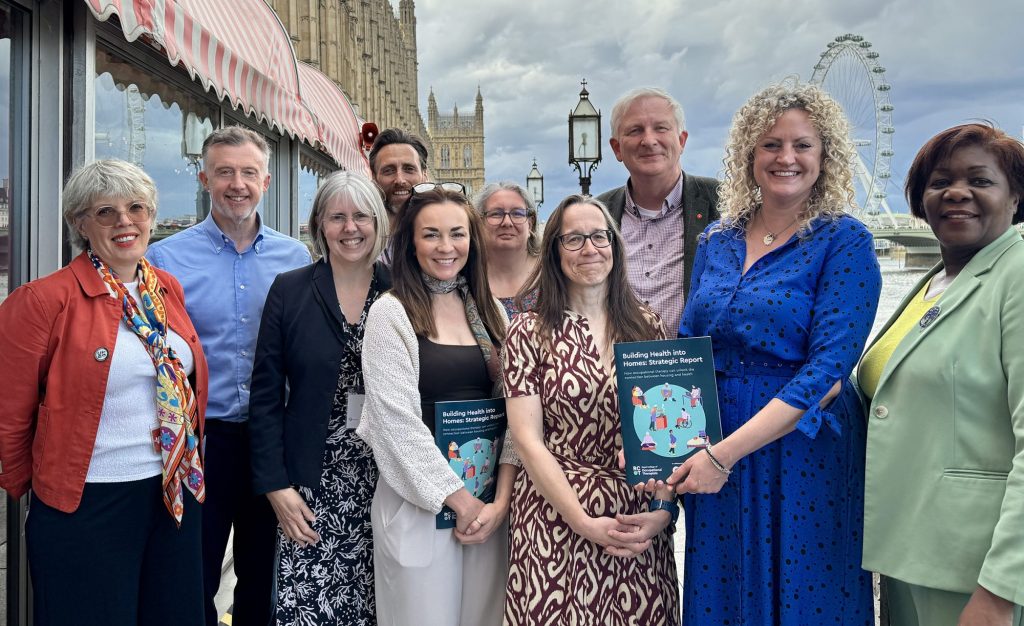
Lucy Leonard, Occupational Therapist and Co-director of The Occupational Therapy Service (TOTS), attended the launch, which brought together leaders from occupational therapy, housing, health, care, policy and the wider adaptations sector.
The report sets out a clear message: housing is not separate from health. Where and how people live has a direct impact on independence, participation, care needs, hospital discharge, prevention and long-term wellbeing. It also recognises the role occupational therapists can play not only in assessing individuals for adaptations, but in shaping housing decisions much earlier, from planning and design through to allocation, commissioning, care reduction and service redesign.
For TOTS, the report strongly reflects the direction of travel already seen across its national work. TOTS works with local authorities, housing providers, care systems and commercial partners to bring occupational therapy expertise into the practical and strategic decisions that affect people’s homes and daily lives. This includes work across Disabled Facilities Grants and housing adaptations, waiting list and assessment capacity, specialist housing occupational therapy, training, design advice, accessible housing, reablement, optimal handed care and national service delivery.
The report also references TOTS’ work with the London Borough of Newham, where The Occupational Therapy Service was commissioned by the planning department to develop evidence-based housing design guidance for neurodivergent residents and people with a learning disability. This work involved research, stakeholder engagement, visits to housing schemes, resident and family workshops, and practical design guidance focused on safety and security, sensory processing, flexibility of layout and durability. Lucy Leonard said:
“RCOT’s report is important because it moves occupational therapy beyond the idea that we are only involved once a person needs an adaptation. The strongest housing outcomes happen when occupational therapists are involved earlier, before homes are designed, allocated or adapted, and before people reach crisis. This is about understanding how people actually live, what they need to do each day, and how housing can either support or restrict independence, dignity and participation.”
Lucy added: “For TOTS, this report gives national recognition to work we are already delivering with local authorities, housing providers and partners. The challenge now is implementation. How do councils, commissioners and housing teams use occupational therapy more strategically, while still delivering practical outcomes for people and families?”
The launch marks an important moment for occupational therapy and housing. It strengthens the case for occupational therapists to be involved not only in individual assessment, but also in the systems, services and decisions that determine whether homes are suitable, adaptable and capable of supporting people throughout their lives.
The Occupational Therapy Service will use the report to continue conversations with local authorities, housing providers, care systems and partners about how occupational therapy can support earlier intervention, better housing decisions, reduced care dependency, improved use of adaptations funding and more inclusive design.
The strategic report ‘Building Health into Homes’ is available to download here.
View all News articles